Amos once again implores his people to abandon their wicked ways, reminding them of the abundance they have enjoyed—luxurious beds, fine meats, and excessive wine. He cautions that this comfortable and prosperous existence is fleeting, warning that destruction looms ahead and that neighboring nations will rise against Israel.
Throughout the Bible, we often witness instances where God pronounces judgment, yet, in response to the cries and repentance of His people, He chooses to withhold the punishment they rightfully deserve. A notable example is when He rescues Lot and his family, demonstrating His mercy. Similarly, during the Israelites’ time in the wilderness, God frequently delays His judgment. However, after Amos pleads with the Lord three times, God clarifies His standards for His church and His people, ultimately stating that He will not relent from the judgment He has decreed.
God reveals to Amos that, much like fruit ripening under the summer sun, Israel has reached a point of readiness for His judgment. In their times of prosperity, the nation turned away from the prophets sent to deliver God’s message. What they once cherished and had in abundance was now disregarded, leading to the impending destruction of the northern Kingdom. Nevertheless, God promises to preserve a remnant of Jacob’s descendants, ensuring they will eventually inhabit a greater and more glorious kingdom, as He had pledged to Abraham.
Even though Israel may seem deserving of divine punishment, God promises to preserve a remnant that will be blessed in the future. He also commits to restoring the tabernacle. Historically, God has spared the righteous from punishment alongside the wicked, as illustrated by the story of Noah and his family. They were considered righteous and, rather than facing destruction in the flood, they were saved and became the foundation for a renewed population of God’s people.
Obadiah’s prophecy is unique because it focuses on the sins of Edom instead of Judah or Israel. The Edomites, who are the descendants of Esau—the brother of Jacob—play a crucial role in his message. Esau, nicknamed “Edom” for his red hair, symbolizes a lineage that faced divine judgment. During King Jehoshaphat’s reign, Edom teamed up with Moab and Ammon to attack Judah, but God intervened, granting victory to His people. Later, the Edomites were involved in the Jewish rebellion against Rome from A.D. 66 to 70, which ended in their defeat and eventual disappearance as a distinct group. Obadiah foretold that God would send nations to wage war against Edom, leading to their decline and scorn from others. Their misguided pride is pointed out as a key reason for this judgment. The prophecy wraps up on a hopeful note, emphasizing that despite Edom’s temporary successes, the ultimate authority of the kingdom belongs to the Lord, who will safeguard His people and ensure the growth of His kingdom.
Amos 2 conveys a message from the Lord regarding Moab, the territory settled by the descendants of Lot and his eldest daughter. The reference to Kerioth suggests it was the capital of Moab, likely a hub for worship. The passage highlights the judgment faced by Judah and Israel due to their transgressions against God’s laws, with greed being a significant issue for Judah. The practice of selling indebted individuals into slavery led to further moral decay, including sexual immorality. Ultimately, the judgments pronounced by God were fulfilled, and His people came to understand that no matter their strength or military might, they could not stand against the Lord.
In this chapter we see God asking rhetorical questions to His people to illustrate to them that nothing happens outside of His sovereignty. Certain action have prediciatbel results like the lion but when God sends one of His prophets to warn the people, they should be listened to with fear and trembling rather than silencing them (which is essentially silencing God). Israel is warned of their upcoming punishment but God reminds them that there will be a small remnant of His people. Everyone else will be conquered by the Assyrians. Our God is full of justice and mercy. He is also long suffering so the fact that this punishment is coming upon Israel, He has probably been waiting for a long time for them to turn from their sinful ways. How has God shown His long suffering to you?
God calls His people to remember the times He has withheld food and water, sent plagues, and faced destruction, yet they have not turned back to Him. Despite His relentless efforts to connect with them and His deep desire for their hearts, they continue to reject Him. He emphasizes His sovereignty as the Almighty, the Creator of mountains, winds, and all that exists in Heaven and Earth, yet they still choose to ignore Him.
Amos earnestly urges his people to turn back to God, warning them of the dire consequences of relying solely on their own strength. He paints a vivid picture of devastation, likening their potential losses to an army that has suffered the catastrophic blow of losing 90% of its soldiers—an unimaginable loss for any force, regardless of its size. He encourages them to seek God for their survival, emphasizing that without divine guidance, they will face immense sorrow, with cries echoing through the streets and a pervasive darkness overshadowing their lives. This bleak imagery suggests a state of wandering and despair, where the people may find themselves lost and searching in vain. Furthermore, God expresses His dissatisfaction with their offerings, music, and sacrifices, indicating that mere rituals cannot replace genuine faith and repentance.
Israel seemed to think that their disobedience and numerous sins were overlooked by God. Their hearts were consumed by wicked desires, and despite facing various trials, they neglected to seek divine help. They were like a poorly baked cake—partly burnt and partly raw—unfit for consumption, representing a mix of idolatry and the worship of Jehovah. While they might have voiced their fears in prayer, their cries often lacked sincerity. Even their requests for worldly blessings were merely attempts to fulfill their own desires. Their constant oscillation between different beliefs and vices distanced them from God and true holiness. This mirrors our own nature, and without divine intervention, we would remain in such a state. Create in us a clean heart, O God, and renew a right spirit within us.
Hosea 8
Israel to Reap the Whirlwind
8 “Put the trumpet to your lips!
An eagle is over the house of the Lord
because the people have broken my covenant
and rebelled against my law.
2 Israel cries out to me,
‘Our God, we acknowledge you!’
3 But Israel has rejected what is good;
an enemy will pursue him.
4 They set up kings without my consent;
they choose princes without my approval.
With their silver and gold
they make idols for themselves
to their own destruction.
5 Samaria, throw out your calf-idol!
My anger burns against them.
How long will they be incapable of purity?
6 They are from Israel!
This calf—a metalworker has made it;
it is not God.
It will be broken in pieces,
that calf of Samaria.
7 “They sow the wind
and reap the whirlwind.
The stalk has no head;
it will produce no flour.
Were it to yield grain,
foreigners would swallow it up.
8 Israel is swallowed up;
now she is among the nations
like something no one wants.
9 For they have gone up to Assyria
like a wild donkey wandering alone.
Ephraim has sold herself to lovers.
10 Although they have sold themselves among the nations,
I will now gather them together.
They will begin to waste away
under the oppression of the mighty king.
11 “Though Ephraim built many altars for sin offerings,
these have become altars for sinning.
12 I wrote for them the many things of my law,
but they regarded them as something foreign.
13 Though they offer sacrifices as gifts to me,
and though they eat the meat,
the Lord is not pleased with them.
Now he will remember their wickedness
and punish their sins:
They will return to Egypt.
14 Israel has forgotten their Maker
and built palaces;
Judah has fortified many towns.
But I will send fire on their cities
that will consume their fortresses.”
Calf worship was a recurring issue for Israel, originating with Moses and Aaron and persisting whenever the opportunity arose. The futility of such idolatry is poignantly illustrated by the notion of sowing the wind and reaping the whirlwind. Despite their attempts to appease God through sacrifices, He perceives their hearts and recognizes that their love for Him falls short of His desires. Israel mistakenly believed they could earn God’s favor through grand gestures, neglecting the importance of a genuine relationship. Instead of seeking closeness with God, they fortified their cities and relied on human strength, ultimately leading to their downfall. This pattern resonates today, as God seeks a relational bond rather than mere adherence to rituals or good deeds in place of authentic connection.
Hosea 9
Punishment for Israel
9 Do not rejoice, Israel;
do not be jubilant like the other nations.
For you have been unfaithful to your God;
you love the wages of a prostitute
at every threshing floor.
2 Threshing floors and winepresses will not feed the people;
the new wine will fail them.
3 They will not remain in the Lord’s land;
Ephraim will return to Egypt
and eat unclean food in Assyria.
4 They will not pour out wine offerings to the Lord,
nor will their sacrifices please him.
Such sacrifices will be to them like the bread of mourners;
all who eat them will be unclean.
This food will be for themselves;
it will not come into the temple of the Lord.
5 What will you do on the day of your appointed festivals,
on the feast days of the Lord?
6 Even if they escape from destruction,
Egypt will gather them,
and Memphis will bury them.
Their treasures of silver will be taken over by briers,
and thorns will overrun their tents.
7 The days of punishment are coming,
the days of reckoning are at hand.
Let Israel know this.
Because your sins are so many
and your hostility so great,
the prophet is considered a fool,
the inspired person a maniac.
8 The prophet, along with my God,
is the watchman over Ephraim,[a]
yet snares await him on all his paths,
and hostility in the house of his God.
9 They have sunk deep into corruption,
as in the days of Gibeah.
God will remember their wickedness
and punish them for their sins.
10 “When I found Israel,
it was like finding grapes in the desert;
when I saw your ancestors,
it was like seeing the early fruit on the fig tree.
But when they came to Baal Peor,
they consecrated themselves to that shameful idol
and became as vile as the thing they loved.
11 Ephraim’s glory will fly away like a bird—
no birth, no pregnancy, no conception.
12 Even if they rear children,
I will bereave them of every one.
Woe to them
when I turn away from them!
13 I have seen Ephraim, like Tyre,
planted in a pleasant place.
But Ephraim will bring out
their children to the slayer.”
14 Give them, Lord—
what will you give them?
Give them wombs that miscarry
and breasts that are dry.
15 “Because of all their wickedness in Gilgal,
I hated them there.
Because of their sinful deeds,
I will drive them out of my house.
I will no longer love them;
all their leaders are rebellious.
16 Ephraim is blighted,
their root is withered,
they yield no fruit.
Even if they bear children,
I will slay their cherished offspring.”
17 My God will reject them
because they have not obeyed him;
they will be wanderers among the nations.
In this chapter, we explore the five major repercussions that Israel will face as a result of God’s rejection. These include a profound loss of joy, exile from their homeland, a decline in spiritual insight, decreasing birth rates, and a pervasive sense of abandonment by God. Hosea warns that divine blessings, especially the gift of children, will be withheld from them. Additionally, the text highlights how times of prosperity, such as plentiful harvests, can lead to spiritual decay, as evidenced by the Israelites’ involvement in temple prostitution with the Assyrians, where they sought physical pleasure in hopes of ensuring bountiful agricultural yields.
Hosea 10
10 Israel was a spreading vine;
he brought forth fruit for himself.
As his fruit increased,
he built more altars;
as his land prospered,
he adorned his sacred stones.
2 Their heart is deceitful,
and now they must bear their guilt.
The Lord will demolish their altars
and destroy their sacred stones.
3 Then they will say, “We have no king
because we did not revere the Lord.
But even if we had a king,
what could he do for us?”
4 They make many promises,
take false oaths
and make agreements;
therefore lawsuits spring up
like poisonous weeds in a plowed field.
5 The people who live in Samaria fear
for the calf-idol of Beth Aven.
Its people will mourn over it,
and so will its idolatrous priests,
those who had rejoiced over its splendor,
because it is taken from them into exile.
6 It will be carried to Assyria
as tribute for the great king.
Ephraim will be disgraced;
Israel will be ashamed of its foreign alliances.
7 Samaria’s king will be destroyed,
swept away like a twig on the surface of the waters.
8 The high places of wickedness will be destroyed—
it is the sin of Israel.
Thorns and thistles will grow up
and cover their altars.
Then they will say to the mountains, “Cover us!”
and to the hills, “Fall on us!”
9 “Since the days of Gibeah, you have sinned, Israel,
and there you have remained.
Will not war again overtake
the evildoers in Gibeah?
10 When I please, I will punish them;
nations will be gathered against them
to put them in bonds for their double sin.
11 Ephraim is a trained heifer
that loves to thresh;
so I will put a yoke
on her fair neck.
I will drive Ephraim,
Judah must plow,
and Jacob must break up the ground.
12 Sow righteousness for yourselves,
reap the fruit of unfailing love,
and break up your unplowed ground;
for it is time to seek the Lord,
until he comes
and showers his righteousness on you.
13 But you have planted wickedness,
you have reaped evil,
you have eaten the fruit of deception.
Because you have depended on your own strength
and on your many warriors,
14 the roar of battle will rise against your people,
so that all your fortresses will be devastated—
as Shalman devastated Beth Arbel on the day of battle,
when mothers were dashed to the ground with their children.
15 So will it happen to you, Bethel,
because your wickedness is great.
When that day dawns,
the king of Israel will be completely destroyed.
Israel has voiced its discontent over the absence of a king, pointing to the ineffectiveness and lack of respect for its last five leaders, which led the nation into turmoil. The Israelites became increasingly focused on seeking pleasure and comfort, neglecting their devotion to the true Lord. This situation reflects our modern society, where the pursuit of personal satisfaction often eclipses our commitment to God. Consequently, we may fail to recognize how much we prioritize our own desires over spiritual engagement.
1 The word of the Lord that came to Hosea son of Beeri during the reigns of Uzziah, Jotham, Ahaz and Hezekiah, kings of Judah, and during the reign of Jeroboam son of Jehoash king of Israel:
Hosea’s Wife and Children
2 When the Lord began to speak through Hosea, the Lord said to him, “Go, marry a promiscuous woman and have children with her, for like an adulterous wife this land is guilty of unfaithfulness to the Lord.” 3 So he married Gomer daughter of Diblaim, and she conceived and bore him a son.
4 Then the Lord said to Hosea, “Call him Jezreel, because I will soon punish the house of Jehu for the massacre at Jezreel, and I will put an end to the kingdom of Israel. 5 In that day I will break Israel’s bow in the Valley of Jezreel.” Hosea 1:1-5
6 Gomer conceived again and gave birth to a daughter. Then the Lord said to Hosea, “Call her Lo-Ruhamah (which means “not loved”), for I will no longer show love to Israel, that I should at all forgive them. 7 Yet I will show love to Judah; and I will save them—not by bow, sword or battle, or by horses and horsemen, but I, the Lord their God, will save them.”
8 After she had weaned Lo-Ruhamah, Gomer had another son. 9 Then the Lord said, “Call him Lo-Ammi (which means “not my people”), for you are not my people, and I am not your God.
10 “Yet the Israelites will be like the sand on the seashore, which cannot be measured or counted. In the place where it was said to them, ‘You are not my people,’ they will be called ‘children of the living God.’ 11 The people of Judah and the people of Israel will come together; they will appoint one leader and will come up out of the land, for great will be the day of Jezreel.
Hosea 2
2 “Say of your brothers, ‘My people,’ and of your sisters, ‘My loved one.’
Israel Punished and Restored
2 “Rebuke your mother, rebuke her,
for she is not my wife,
and I am not her husband.
Let her remove the adulterous look from her face
and the unfaithfulness from between her breasts.
3 Otherwise I will strip her naked
and make her as bare as on the day she was born;
I will make her like a desert,
turn her into a parched land,
and slay her with thirst.
4 I will not show my love to her children,
because they are the children of adultery.
5 Their mother has been unfaithful
and has conceived them in disgrace.
She said, ‘I will go after my lovers,
who give me my food and my water,
my wool and my linen, my olive oil and my drink.’
6 Therefore I will block her path with thornbushes;
I will wall her in so that she cannot find her way.
7 She will chase after her lovers but not catch them;
she will look for them but not find them.
Then she will say,
‘I will go back to my husband as at first,
for then I was better off than now.’
8 She has not acknowledged that I was the one
who gave her the grain, the new wine and oil,
who lavished on her the silver and gold—
which they used for Baal.
9 “Therefore I will take away my grain when it ripens,
and my new wine when it is ready.
I will take back my wool and my linen,
intended to cover her naked body.
10 So now I will expose her lewdness
before the eyes of her lovers;
no one will take her out of my hands.
11 I will stop all her celebrations:
her yearly festivals, her New Moons,
her Sabbath days—all her appointed festivals.
12 I will ruin her vines and her fig trees,
which she said were her pay from her lovers;
I will make them a thicket,
and wild animals will devour them.
13 I will punish her for the days
she burned incense to the Baals;
she decked herself with rings and jewelry,
and went after her lovers,
but me she forgot,”
declares the Lord.
14 “Therefore I am now going to allure her;
I will lead her into the wilderness
and speak tenderly to her.
15 There I will give her back her vineyards,
and will make the Valley of Achor a door of hope.
There she will respond as in the days of her youth,
as in the day she came up out of Egypt.
16 “In that day,” declares the Lord,
“you will call me ‘my husband’;
you will no longer call me ‘my master.’
17 I will remove the names of the Baals from her lips;
no longer will their names be invoked.
18 In that day I will make a covenant for them
with the beasts of the field, the birds in the sky
and the creatures that move along the ground.
Bow and sword and battle
I will abolish from the land,
so that all may lie down in safety.
19 I will betroth you to me forever;
I will betroth you in righteousness and justice,
In love and compassion.
20 I will betroth you in faithfulness,
and you will acknowledge the Lord.
21 “In that day I will respond,”
declares the Lord—
“I will respond to the skies,
and they will respond to the earth;
22 and the earth will respond to the grain,
the new wine and the olive oil,
and they will respond to Jezreel.
23 I will plant her for myself in the land;
I will show my love to the one I called ‘Not my loved one.’
I will say to those called ‘Not my people,’ ‘You are my people’;
and they will say, ‘You are my God.’”
The book of Hosea employs the metaphor of a troubled marriage to illustrate the relationship between Israel and God. In the opening verses, God commands Hosea to marry Gomer, a woman described as unfaithful, which underscores her past as a harlot and the notion that their children are labeled as products of infidelity. The names of Hosea’s children are deeply symbolic: Jezreel, the firstborn, means “scattered,” while the second child, Lo-Ruhamah, translates to “not loved,” and the third, Lo-Ammi, signifies “not my people.” These names reflect God’s judgment on Israel, particularly as the daughter named “not loved” indicates a limited time for Israel, with impending conquest looming, although Judah is promised preservation. Gomer’s subsequent son, named “not my people,” further emphasizes the Israelites’ betrayal of their covenant with God, leading to His declaration of separation. Nevertheless, verse eleven offers a glimmer of hope, as God assures a future reconciliation between Judah and Israel, showcasing His nature as a God of second chances.
God’s call for Israel to turn away from its sinful practices arises from His longing for individual salvation amid the collective judgment facing the nation. Despite the looming consequences, God remains dedicated to rescuing lives until the very end. He warns that Israel will seek out other lovers, yet He will place obstacles in their way, forcing them to recognize the futility of their choices. Ultimately, through these challenges, they will be led back to their true source of safety and sustenance. The Valley of Achor, named after Achan, who brought judgment upon Israel by taking forbidden spoils from Jericho, symbolizes the pain and repercussions of disobedience. However, the Lord promises redemption and hope that transcends the judgment inflicted by one man’s actions on the nation.
Hosea 3
The Lord said to me, “Go, show your love to your wife again, though she is loved by another man and is an adulteress. Love her as the Lord loves the Israelites, though they turn to other gods and love the sacred raisin cakes.”
2 So I bought her for fifteen shekels of silver and about a homer and a lethek of barley. 3 Then I told her, “You are to live with me many days; you must not be a prostitute or be intimate with any man, and I will behave the same way toward you.”
4 For the Israelites will live many days without king or prince, without sacrifice or sacred stones, without ephod or household gods. 5 Afterward the Israelites will return and seek the Lord their God and David their king. They will come trembling to the Lord and to his blessings in the last days.
In the book of Hosea, the significance of marriage and the importance of honoring the covenant between a man and a woman are profoundly illustrated. God commands Hosea to undertake the unimaginable task of forgiving his unfaithful wife, Gomer, who has abandoned him and their three children for another man. Despite her lack of interest in reconciliation, Hosea is instructed to seek her out, demonstrating the depth of God’s love for Israel. This act of forgiveness, which is emotionally taxing, highlights that it is only through divine grace that we can extend forgiveness to others, even in the face of betrayal. While human nature often dictates that the guilty party should seek forgiveness, Hosea’s actions mirror Christ’s own sacrifice; He descended from Heaven to save humanity, even when we were not actively seeking redemption.
The manner in which Hosea redeems Gomer carries significant implications. Some interpretations suggest that he purchased her from a slave auction, while others propose that he settled debts owed to her exploitative partner. In doing so, Hosea not only alleviates her burdens but also establishes new expectations for her conduct. Forgiveness does not grant a license to continue in sin; rather, it calls for a return to a life of righteousness. This principle resonates with Israel’s history, as their own infidelity led to a period without a king, prompting them to eventually seek God once more.
Hosea 4
Hear the word of the Lord, you Israelites,
because the Lord has a charge to bring
against you who live in the land:
“There is no faithfulness, no love,
no acknowledgment of God in the land.
2 There is only cursing, lying and murder,
stealing and adultery;
they break all bounds,
and bloodshed follows bloodshed.
3 Because of this the land dries up,
and all who live in it waste away;
the beasts of the field, the birds in the sky
and the fish in the sea are swept away.
4 “But let no one bring a charge,
let no one accuse another,
for your people are like those
who bring charges against a priest.
5 You stumble day and night,
and the prophets stumble with you.
So I will destroy your mother—
6 my people are destroyed from lack of knowledge.
“Because you have rejected knowledge,
I also reject you as my priests;
because you have ignored the law of your God,
I also will ignore your children.
7 The more priests there were,
the more they sinned against me;
they exchanged their glorious God for something disgraceful.
8 They feed on the sins of my people
and relish their wickedness.
9 And it will be: Like people, like priests.
I will punish both of them for their ways
and repay them for their deeds.
10 “They will eat but not have enough;
they will engage in prostitution but not flourish,
because they have deserted the Lord
to give themselves 11 to prostitution;
old wine and new wine
take away their understanding.
12 My people consult a wooden idol,
and a diviner’s rod speaks to them.
A spirit of prostitution leads them astray;
they are unfaithful to their God.
13 They sacrifice on the mountaintops
and burn offerings on the hills,
under oak, poplar and terebinth,
where the shade is pleasant.
Therefore your daughters turn to prostitution
and your daughters-in-law to adultery.
14 “I will not punish your daughters
when they turn to prostitution,
nor your daughters-in-law
when they commit adultery,
because the men themselves consort with harlots
and sacrifice with shrine prostitutes—
a people without understanding will come to ruin!
15 “Though you, Israel, commit adultery,
do not let Judah become guilty.
“Do not go to Gilgal;
do not go up to Beth Aven.
And do not swear, ‘As surely as the Lord lives!’
16 The Israelites are stubborn,
like a stubborn heifer.
How then can the Lord pasture them
like lambs in a meadow?
17 Ephraim is joined to idols;
leave him alone!
18 Even when their drinks are gone,
they continue their prostitution;
their rulers dearly love shameful ways.
19 A whirlwind will sweep them away,
and their sacrifices will bring them shame.
In Hosea chapter 4, the consequences of Israel’s failure to know God are vividly illustrated, serving as a cautionary tale for the church today. To “know” God, as emphasized by Hosea, transcends mere intellectual acknowledgment; it signifies an intimate relationship akin to that between a husband and wife, as depicted in Genesis 4:1. This profound connection requires active engagement and a commitment to living in accordance with God’s will. A lack of knowledge about God hinders the development of a genuine relationship with Him, much like marriages that rely solely on emotions or superficial needs. True love necessitates a deep understanding of the other person. When individuals fail to know God, they may mistakenly believe they are self-sufficient, as illustrated by Gomer’s misguided choices. This disconnect can lead to unfaithfulness, as there is no solid foundation for loyalty. Furthermore, both the priests and the people of Israel neglected God’s law, failing to remember and pass it on to future generations. This disregard for divine guidance resulted in chaos and sin, ultimately leading to their own downfall as they turned to idols instead of seeking the truth of God’s word.
Hosea 5
“Hear this, you priests!
Pay attention, you Israelites!
Listen, royal house!
This judgment is against you:
You have been a snare at Mizpah,
a net spread out on Tabor.
2 The rebels are knee-deep in slaughter.
I will discipline all of them.
3 I know all about Ephraim;
Israel is not hidden from me.
Ephraim, you have now turned to prostitution;
Israel is corrupt.
4 “Their deeds do not permit them
to return to their God.
A spirit of prostitution is in their heart;
they do not acknowledge the Lord.
5 Israel’s arrogance testifies against them;
the Israelites, even Ephraim, stumble in their sin;
Judah also stumbles with them.
6 When they go with their flocks and herds
to seek the Lord,
they will not find him;
he has withdrawn himself from them.
7 They are unfaithful to the Lord;
they give birth to illegitimate children.
When they celebrate their New Moon feasts,
he will devour their fields.
8 “Sound the trumpet in Gibeah,
the horn in Ramah.
Raise the battle cry in Beth Aven;
lead on, Benjamin.
9 Ephraim will be laid waste
on the day of reckoning.
Among the tribes of Israel
I proclaim what is certain.
10 Judah’s leaders are like those
who move boundary stones.
I will pour out my wrath on them
like a flood of water.
11 Ephraim is oppressed,
trampled in judgment,
intent on pursuing idols.
12 I am like a moth to Ephraim,
like rot to the people of Judah.
13 “When Ephraim saw his sickness,
and Judah his sores,
then Ephraim turned to Assyria,
and sent to the great king for help.
But he is not able to cure you,
not able to heal your sores.
14 For I will be like a lion to Ephraim,
like a great lion to Judah.
I will tear them to pieces and go away;
I will carry them off, with no one to rescue them.
15 Then I will return to my lair
until they have borne their guilt
and seek my face—
in their misery
they will earnestly seek me.”
Pride often leads individuals to persist in other transgressions, as seen in the case of Judah, which ultimately results in their downfall alongside Israel. Those who betray the Lord are merely deceiving themselves, as highlighted in Hosea 5:6, which cautions that sacrifices made without true repentance and a sincere heart will not lead to divine connection. While such individuals may appear religious outwardly, they remain spiritually disconnected, rendering their offerings meaningless. The text underscores that external rituals devoid of internal change fail to fulfill God’s expectations. The fate of unrepentant sinners is not an empty threat but a definitive judgment that cannot be reversed. It is a mercy to receive timely warnings, allowing individuals to escape impending wrath. Adhering to human commandments that contradict divine ones prepares a society for destruction. Many nations and individuals suffer from a gradual decline, as God often administers minor judgments to avert greater calamities, provided they heed the warnings. When Israel and Judah faced peril, they sought refuge in Assyria, which only exacerbated their plight, ultimately compelling them to turn back to God. True hope arises when individuals begin to lament their sins rather than their sufferings, prompting them to seek knowledge of God amid trials. Those who earnestly pursue God during difficult times will discover Him as a reliable source of help and refuge, for He offers abundant redemption to all who call upon Him, establishing true peace where He resides.
Hosea 6
“Come, let us return to the Lord.
He has torn us to pieces
but he will heal us;
he has injured us
but he will bind up our wounds.
2 After two days he will revive us;
on the third day he will restore us,
that we may live in his presence.
3 Let us acknowledge the Lord;
let us press on to acknowledge him.
As surely as the sun rises,
he will appear;
he will come to us like the winter rains,
like the spring rains that water the earth.”
4 “What can I do with you, Ephraim?
What can I do with you, Judah?
Your love is like the morning mist,
like the early dew that disappears.
5 Therefore I cut you in pieces with my prophets,
I killed you with the words of my mouth—
then my judgments go forth like the sun.
6 For I desire mercy, not sacrifice,
and acknowledgment of God rather than burnt offerings.
7 As at Adam, they have broken the covenant;
they were unfaithful to me there.
8 Gilead is a city of evildoers,
stained with footprints of blood.
9 As marauders lie in ambush for a victim,
so do bands of priests;
they murder on the road to Shechem,
carrying out their wicked schemes.
10 I have seen a horrible thing in Israel:
There Ephraim is given to prostitution,
Israel is defiled.
11 “Also for you, Judah,
a harvest is appointed.
“Whenever I would restore the fortunes of my people,
In this chapter, the prophet clarifies what God desires with the covenantal relationship. He states that the Lord is not satisfied with meaningless sacrifices or ceremonies but rather desires mercy and genuine knowledge of Himself. God desires a truly intimate relationship with all of His children. He wants them to know His character and His love for them. In the same way, men and women don’t want their spouse to only shower them with gifts, but rather spend time with them and grow in a deeper relationship with each other. But rather than having a truly wonderful relationship with God, Israel has turned her back on Him and been unfaithful. Israel says she loves God, but acts in ways that oppose that statement.
Dear friends, this is now my second letter to you. I have written both of them as reminders to stimulate you to wholesome thinking. 2 I want you to recall the words spoken in the past by the holy prophets and the command given by our Lord and Savior through your apostles.
3 Above all, you must understand that in the last days, scoffers will come, scoffing and following their own evil desires. 4 They will say, “Where is this ‘coming’ he promised? Ever since our ancestors died, everything goes on as it has since the beginning of creation.” 5 But they deliberately forget that long ago by God’s word the heavens came into being and the earth was formed out of water and by water. 6 By these waters also the world of that time was deluged and destroyed. 7 By the same word the present heavens and earth are reserved for fire, being kept for the day of judgment and destruction of the ungodly.
8 But do not forget this one thing, dear friends: With the Lord a day is like a thousand years, and a thousand years are like a day. 9 The Lord is not slow in keeping his promise, as some understand slowness. Instead he is patient with you, not wanting anyone to perish, but everyone to come to repentance.
Peter is talking about the time called the last days, which means the period between when Jesus was on Earth and when He will come back. Peter wants us to get ready for these days. It’s about being prepared, not scared. Some people might wonder, “Where is God?” and why it has taken over 2000 years for Jesus to return. They might think that because Jesus hasn’t come back yet, they can do what they want and not worry about their sins being noticed when He returns.
Peter reminds us that God is very patient. He doesn’t operate on our schedule because He wants everyone to have the chance to choose Jesus and avoid Hell. God hasn’t forgotten about us; He’s waiting for as many people as possible to accept Christ. We should appreciate the wait because it allows more people to be saved. God will return, and when He does, He will look at the lives we have led.
10 But the day of the Lord will come like a thief. The heavens will disappear with a roar; the elements will be destroyed by fire, and the earth and everything done in it will be laid bare.
11 Since everything will be destroyed in this way, what kind of people ought you to be? You ought to live holy and godly lives 12 as you look forward to the day of God and speed its coming. That day will bring about the destruction of the heavens by fire, and the elements will melt in the heat. 13 But in keeping with his promise we are looking forward to a new heaven and a new earth, where righteousness dwells. 2 Peter 3: 10-13
Some say Jesus won’t come back. If that’s true, there’s no judgment or help from God, meaning no hope or future for anyone. People might then focus only on today, thinking, “I came from nothing and am nothing, so I should just enjoy life.” Others might feel life has no meaning and stop caring about it altogether, thinking life doesn’t matter.
But believing in Jesus’ return brings hope and something to look forward to. Peter talks about this, asking what kind of people we should be, emphasizing how Jesus’ return impacts our current lives.
We know about the “day of the Lord,” which brings destruction and judgment, but we don’t look forward to it as it’s difficult to think about. Instead, we focus on what comes after: God’s eternal day where everything is made right, as mentioned in 1 Corinthians.
How should we live? Avoid getting caught up in worldly things because we don’t belong here; we’re visitors. Christians don’t belong to this world or want its things. We’re on a journey to a heavenly place, looking forward to a city made by God, eternal in heaven.
Peter urges us to act with holy conduct and godliness, which means behavior and heart. Live with hope, peace, purity, share faith, make wise choices, grow, and worship. These values should guide our actions and thoughts. Hoping in God’s glory pushes us to live holy and godly lives. Our hope in God helps us live holy lives.
14 So then, dear friends, since you are looking forward to this, make every effort to be found spotless, blameless and at peace with him. 15 Bear in mind that our Lord’s patience means salvation, just as our dear brother Paul also wrote you with the wisdom that God gave him. 16 He writes the same way in all his letters, speaking in them of these matters. His letters contain some things that are hard to understand, which ignorant and unstable people distort, as they do the other Scriptures, to their own destruction. 2 Peter 3: 14-16
In verse 14, Peter advises Christ’s followers to aim for clean and good lives. Our faith needs to grow to become more Christ-like, which requires God’s help and self-reflection.
God wants us to be spotless in character and reputation. When God arrives, He desires purity in us. This involves acknowledging and disliking our sins, confessing them, and aiming for holiness. We should steer clear of temptation and engage in spiritual practices like Bible study, prayer, and worship to maintain purity.
Peter highlights God’s patience for the sake of our salvation, mentioned in verse 15. Consider this: “Am I truly striving to grow as a Christian?” Effort is vital, much like exercising muscles to develop strength—our spiritual life needs this effort too. Are we earnestly trying or just moving with the flow?
We should eagerly anticipate the Lord’s return with peace. Peter says embracing these promises brings peace. Being in harmony with others and God upon His return displays strong faith. Living in the peace of salvation, we need not fear worldly troubles or the Lord’s coming. If you knew the Lord would come tomorrow, would you rest peacefully? The challenge lies in living right with God amid a sinful world, thanks to Christ’s sacrifice.
As we wait for Christ, He offers everyone the chance for salvation. Let skeptics doubt, but God might be waiting for their salvation.
17 Therefore, dear friends, since you have been forewarned, be on your guard so that you may not be carried away by the error of the lawless and fall from your secure position. 18 But grow in the grace and knowledge of our Lord and Savior Jesus Christ. To him be glory both now and forever! Amen. 2 Peter 3: 17-18
Peter highlights God’s patience for the sake of our salvation, mentioned in verse 15. Consider this: “Am I truly striving to grow as a Christian?” Effort is vital, much like exercising muscles to develop strength—our spiritual life needs this effort too. Are we earnestly trying or just moving with the flow?
We should eagerly anticipate the Lord’s return with peace. Peter says embracing these promises brings peace. Being in harmony with others and God upon His return displays strong faith. Living in the peace of salvation, we need not fear worldly troubles or the Lord’s coming. If you knew the Lord would come tomorrow, would you rest peacefully? The challenge lies in living right with God amid a sinful world, thanks to Christ’s sacrifice.
As we wait for Christ, He offers everyone the chance for salvation. Let skeptics doubt, but God might be waiting for their salvation.
2 But there were also false prophets among the people, just as there will be false teachers among you. They will secretly introduce destructive heresies, even denying the sovereign Lord who bought them—bringing swift destruction on themselves. 2 Many will follow their depraved conduct and will bring the way of truth into disrepute. 3 In their greed, these teachers will exploit you with fabricated stories. Their condemnation has long been hanging over them, and their destruction has not been sleeping.
4 For if God did not spare angels when they sinned, but sent them to hell, putting them in chains of darkness to be held for judgment; 5 if he did not spare the ancient world when he brought the flood on its ungodly people, but protected Noah, a preacher of righteousness, and seven others; 6 if he condemned the cities of Sodom and Gomorrah by burning them to ashes, and made them an example of what is going to happen to the ungodly; 7 and if he rescued Lot, a righteous man, who was distressed by the depraved conduct of the lawless 8 (for that righteous man, living among them day after day, was tormented in his righteous soul by the lawless deeds he saw and heard)— 9 if this is so, then the Lord knows how to rescue the godly from trials and to hold the unrighteous for punishment on the day of judgment. 10 This is especially true of those who follow the corrupt desire of the flesh and despise authority. 2 Peter 2:1-10
False teachers usually don’t show up with a sign telling you what they are up to, rather they are undercover so that nobody knows what their true motives are. These false teachers will also have some similar qualities to them, so that we can more easily spot these traits to be on guard. Not only will they try to hide their true identity and agenda, but the things that they teach and preach will be topics that divide people and topics that will bring shame upon you. They will have tall tales, and they will tell you these things to make it easier to take advantage of people. These people are particularly dangerous because there won’t just be one or two followers, but they will lead the masses astray. Most false teachers have a good following because they flatter people about their lustful desires. We are also reminded that the angels are not exempt from God’s judgment, nor was the world that Noah lived in. God’s judgment is for everyone, and you can not escape His judgment. He destroyed Sodom and Gomorrah, but Lot was saved because he was righteous. For those who reject God and reject His laws, you will ultimately feel His judgment whether in this life or the next.
Bold and arrogant, they are not afraid to heap abuse on celestial beings; 11 yet even angels, although they are stronger and more powerful, do not heap abuse on such beings when bringing judgment on them from the Lord. 12 But these people blaspheme in matters they do not understand. They are like unreasoning animals, creatures of instinct, born only to be caught and destroyed, and like animals, they too will perish.
13 They will be paid back with harm for the harm they have done. Their idea of pleasure is to carouse in broad daylight. They are blots and blemishes, reveling in their pleasures while they feast with you. 14 With eyes full of adultery, they never stop sinning; they seduce the unstable; they are experts in greed—an accursed brood! 2 Peter 2:10-14.
We might think, after reading this passage, why is Peter so outraged and irate about false shepherds? He is a pastor whose job is to shepherd his sheep, and when others come and lead them astray, he has to protect his sheep. We don’t know specifically who Peter is talking about, just that there was this threat out there. We see the attitudes of these false teachers; they are bold, arrogant, and unafraid. They are reckless and defiant, and they do not think about what they are doing or the punishment they will receive. They blaspheme everything, things they don’t understand, but those false teachers will be caught in their own traps. As they lead people towards destruction, they too will end up being destroyed. In verse 13 you will notice that these false teachers are so consumed with lust that they can’t wait for the night; they are doing their sinning in broad daylight. These people never stop sinning. We can get a sense of how God feels about these people. It reminds me a lot of the days of Noah or Sodom and Gomorrah. They are accursed brood, which means they are dammed to Hell; they have the curse of God on them. This is difficult information to read about, but God doesn’t give us this information to scare us; He gives it to us so that we can be on the alert and ready for spiritual combat if necessary. Always be ready to fight the Devil, because He is always looking for a way to bring you down with Him.
15 They have left the straight way and wandered off to follow the way of Balaam son of Bezer,who loved the wages of wickedness. 16 But he was rebuked for his wrongdoing by a donkey—an animal without speech—who spoke with a human voice and restrained the prophet’s madness. 17 These people are springs without water and mists driven by a storm. Blackest darkness is reserved for them. 18 For they mouth empty, boastful words and, by appealing to the lustful desires of the flesh, they entice people who are just escaping from those who live in error. 2 Peter 2:15-18
Biblical teaching is nourishing, human error is killing. This is why it is so important that we stay cautious of false teachers. It is the primary responsibility of the pastor and elders to help keep their sheep from going astray. Peter warns us of their empty words and empty promises. In the Old Testament, we learn about Balaam and how he was a corrupt prophet who would pronounce blessings or curses to the highest bidder. For him, a dumb donkey had more sense than Balaam did. God was angry with him and used his donkey to speak truth to him. Don’t underestimate God; He will use whatever and however He chooses to get His message across to you. Balaam sought money, fame, and the women they could seduce. These false teachers are springs that have no water. Their follower comes seeking to be refreshed with the Holy water but is left without one drop to quench their thirst. But sadly, their followers keep coming back, hoping to get just a small amount of water.
19 They promise them freedom, while they themselves are slaves of depravity—for “people are slaves to whatever has mastered them.” 20 If they have escaped the corruption of the world by knowing our Lord and Savior Jesus Christ and are again entangled in it and are overcome, they are worse off at the end than they were at the beginning. 21 It would have been better for them not to have known the way of righteousness, than to have known it and then to turn their backs on the sacred command that was passed on to them. 22 Of them the proverbs are true: “A dog returns to its vomit,”and, “A sow that is washed returns to her wallowing in the mud.” 2 Peter 2: 10-22
The spirit enables us to do the duty that God has called us to. If people are telling you that you are free to sin because you are saved, and that you can ignore the 10 commandments because that was from the Old Testament. Those people are slaves of depravity. We are dreadfully sinful and we cannot keep the 10 commandments on our own, but since we have been saved, we have been put on a path of freedom, freedom to do what God has called us to do, not to run around like a pardoned felon, committing whatever sins we so choose. We can choose to follow the straight and narrow, go to bible studies, and turn aside from all of our old sinful patterns. But remember this, my dear brothers and sisters in the Lord, we are saved by Grace, and there will always be false teachers. Pray for God to give you wisdom and discernment. It is better for us to know the dangers that are out there in the world so that we can arm ourselves against their schemes and plots.
When you get done reading this section, it can be easy for you to think that Peter is a bit on the harsh side, but if we think about how we would defend our kids against predators, we can get an idea of why he is so intense. Peter reminds us that these wolves who are after the sheep of the church are described as unreasoning animals who will eventually be put down for their nature. He also warns us that the more we preach the word of God, the more we will be a target for those who blaspheme God. If we were to sit back and worship God in private and not challenge anyone, we wouldn’t be persecuted, but if we live the way that God tells us to, we essentially have a target on our backs to those who oppose God. These people who oppose God get off the narrow path and start to wander the wilderness on their own. Think of how easy it is to get lost in a forest when you wander off the path. Before you know it, you don’t even know where the path was, nor do you have a desire to find it.
Friends, God wants to keep us on the right path so we don’t walk astray, whether in our daily lives or our marriage. He has set up boundaries for us for our safety, not for our misery. If we keep that in mind, we will not only appreciate the boundaries but have a new appreciation of God’s love for us.
As wives, we count on our husbands to guide us in telling right from wrong and spotting those who might pretend to be good. Husbands should be our protectors. If there are concerns about false teachers, discuss them with your husband first. Together, support each other in staying true to God always. See your marriage as a strong partnership, like teammates, not opponents. Pray for strength and unity, and God will bless your marriage with these.
1 Simon Peter, a servant and apostle of Jesus Christ,
To those who through the righteousness of our God and Savior Jesus Christ have received a faith as precious as ours:
2 Grace and peace be yours in abundance through the knowledge of God and of Jesus our Lord.
Confirming One’s Calling and Election
3 His divine power has given us everything we need for a godly life through our knowledge of him who called us by his own glory and goodness. 4 Through these he has given us his very great and precious promises, so that through them you may participate in the divine nature, having escaped the corruption in the world caused by evil desires.
5 For this very reason, make every effort to add to your faith goodness; and to goodness, knowledge; 6 and to knowledge, self-control; and to self-control, perseverance; and to perseverance, godliness; 7 and to godliness, mutual affection; and to mutual affection, love.
God’s divine power has given us everything we need for a Godly life, what does that mean to us? When you were born again you were born with everything that can help you lead a Godly life. This divine power is the same power that created the universe. That power gives us the ability to overcome, and the spiritual gifts to help further His kingdom. God has given us all we need for the internal and all we need for the external because He has called us to internal glory and external virtue. All of God is in Christ and all of Christ is in you. Sometimes we are tied up by our own doubts and fears. If those insecurities are holding you back then you are missing out on participating in the divine nature. Don’t forget that you have escaped corruption and evil desires. This divine nature has given us rich resources. Don’t ever forget that because it’s the fact that you know that, you see, is what releases you to function. You have nothing to fear. Believing God and trusting God is the basic ingredient for the Christian life. You were saved by faith, but it isn’t just a “saving” faith, it is a living faith. The bottom line is that you live by faith. That’s the only way to live. Some people have all the Biblical knowledge but do not live out what they know. We are told to have both knowledge of God and to live it out. Peter tells us to persevere against all the world throws at us and to do it in a Godly manner. How are you showing selfless love to others? Selfless love is what the Christian life is all about.
8 For if you possess these qualities in increasing measure, they will keep you from being ineffective and unproductive in your knowledge of our Lord Jesus Christ. 9 But whoever does not have them is nearsighted and blind, forgetting that they have been cleansed from their past sins. 10 Therefore, my brothers and sisters, make every effort to confirm your calling and election. For if you do these things, you will never stumble, 11 and you will receive a rich welcome into the eternal kingdom of our Lord and Savior Jesus Christ. 2 Peter 1: 8-11.
In verse 8, Peter refers back to the qualities named in verse 6. He tells us that these qualities will keep us from being ineffective and unproductive. Peter asks us to examine what we are doing and where we are going. We are to make sure that the weeds of this world are not growing in our garden of knowledge so that it then takes over. Peter reminds us not to be lost and wandering around in the Christian faith. We should know what our purpose is in the Christian life. When we are knee-deep in weeds and feel like they have overtaken our garden, we can easily forget that we have been cleansed of our past sins. We would rather keep beating ourselves up for how we have lived in the past. This behavior however is unproductive in your Christian walk. How many times do we sit and think about the eternal kingdom that awaits us, the promise of salvation? If we keep this in front of our brains, we can’t help but boast about all that God has done for us. Faith is like a muscle, if you keep using it, it grows and gets stronger but if you don’t that muscle will shrink up and become useless. So if we don’t want to stumble, we should exercise our muscles of faith.
12 So I will always remind you of these things, even though you know them and are firmly established in the truth you now have. 13 I think it is right to refresh your memory as long as I live in the tent of this body, 14 because I know that I will soon put it aside, as our Lord Jesus Christ has made clear to me. 15 And I will make every effort to see that after my departure you will always be able to remember these things. 2 Peter 1: 12-15
Have you ever wondered “Why am I here, what is the purpose of my life?” That is a normal thought for anyone who thinks. But to answer this question we must first figure out who God is and who we are in Him. You see we start with God first, knowing Him, so that we can see why He created us. As we start to near the end of our day, we start to ponder why we exist, since the things we once found joyful are no longer satisfying. Our looks are fading, our minds aren’t as sharp, and our bodies are failing us. So what is it all for? It’s all for the glory of God as if we are glorifying God the way that we should when our looks, minds, and bodies start to fail, we will still have the hope and joy of Christ in our hearts. God made you for enjoyment and fellowship with Himself. God wants to have a close and intimate relationship with you. If you don’t have this relationship, you will have a hard time finding satisfaction in your accomplishments in your life. And God has you where He wants you. Sometimes we think that if we were only living somewhere else, working somewhere else, then we could really live for God. But God did not forget about you, He didn’t forget to move you. He has you where you are for a very specific reason. There is no ideal place to serve God, so serve Him where you are, even if you are in the desert. So wherever God has placed you, use that opportunity to serve and glorify Him. After all, we belong to God, we are His.
16 For we did not follow cleverly devised stories when we told you about the coming of our Lord Jesus Christ in power, but we were eyewitnesses of his majesty. 17 He received honor and glory from God the Father when the voice came to him from the Majestic Glory, saying, “This is my Son, whom I love; with him I am well pleased.” 18 We ourselves heard this voice that came from heaven when we were with him on the sacred mountain.
19 We also have the prophetic message as something completely reliable, and you will do well to pay attention to it, as to a light shining in a dark place, until the day dawns and the morning star rises in your hearts. 20 Above all, you must understand that no prophecy of Scripture came about by the prophet’s own interpretation of things. 21 For prophecy never had its origin in the human will, but prophets, though human, spoke from God as they were carried along by the Holy Spirit. 2 Peter 1: 16-21
Peter reminds us that they did not come up with these stories or the resurrection, they were actually eyewitnesses to all these events that have been written down in the Bible. Jesus takes Peter, James, and John up the mountain to pray with Jesus where the transfiguration appeared. It was not speculation or some sort of psychedelic experience. Peter, James, and John saw Moses and Elijah with Jesus up on the mountain and heard the voice of God. Peter also tells us that Christ is confirming all the words of the Old Testament writers. The apostles heard the word of God and wrote them down with the help of the Holy Spirit. So we don’t have to look for a voice from Heaven. Heaven has already spoken to us from the certainty of the Bible. God has no new messages for us or no new revelations. Our focus and attention should always be maintained on the scriptures rather than outside sources. The world we live in constantly has new-age thinking, new-age living, etc. Following these new-age fads can easily lead us astray. We should always be testing the words we hear, with the words we read in the Bible.
To the elders among you, I appeal as a fellow elder and a witness of Christ’s sufferings who also will share in the glory to be revealed: 2 Be shepherds of God’s flock that is under your care, watching over them—not because you must, but because you are willing, as God wants you to be; not pursuing dishonest gain, but eager to serve; 3 not lording it over those entrusted to you, but being examples to the flock. 4 And when the Chief Shepherd appears, you will receive the crown of glory that will never fade away.
Unfortunately due to all of our modern conveniences, we don’t understand shepherding, sheep, or how flocks of sheep behave. Peter’s audience however would have understood how sheep behave and what it takes to be a good shepherd. But for us, we need to know that sheep are very prone to getting lost and if they do, they lack the ability, like other animals, to find their way home. All other animals can track their way back home. But Jesus uses sheep to describe mankind time and time again. Sheep can get lost very easily but they also need a shepherd to guide them, keep them from danger, and carry them should they become injured.
Sheep also once they are adults are no longer white and fluffy, their coats are very oily, and therefore every little bit of dirt clings to their body and they have no way to clean themselves. The only way they can get clean is when the shepherd shears them. Sheep are also very vulnerable to predators. They can’t kick, jump, bite, or scratch their prey. They need a shepherd to defend them and keep them safe. Because we are so often compared to sheep, we need shepherds to guard and watch over their church, to help keep us safe, clean, and not get lost and most of all, to make sure the flock is being fed. Peter tells the elders that they need to be eager to serve, not to lord over them, and to be a good example to the rest of the flock.
As a shepherd, you are responsible for the flock. Peter also suggests that there be multiple Elders, pastors, and other leaders. One man should not be in charge so that he is not elevated above his congregation. Having multiple men in leadership helps against imbalance and each godly man has his own capabilities and gifts. There should also be multiple godly men so when the pastor is gone, there are other strong men in the church left to continue the preaching and teaching. When you are given the responsibility of preaching, teaching, and shepherding you are held to a higher standard. He is responsible for leading and feeding the sheep of his congregation. Feeding the sheep means leading them to green pastures so they can be adequately fed, and keeping them safe from danger. He encourages those who lead to do so with a pure heart because one day the Chief Shepherd – Jesus will come back and judge the work that was done. If your sheep are getting lost or hurt, it is the shepherd’s fault. But if they are well taken care of, the shepherd will receive an unfading crown of glory. This crown will never tarnish, fade in its brilliance, or become damaged. This is our eternal inheritance.
5 In the same way, you who are younger, submit yourselves to your elders. All of you, clothe yourselves with humility toward one another, because,
“God opposes the proud
but shows favor to the humble.”
6 Humble yourselves, therefore, under God’s mighty hand, that he may lift you up in due time. 7 Cast all your anxiety on him because he cares for you.
Peter provides us with essential attitudes that are vital for nurturing our spiritual growth. In recent chapters, he emphasizes the importance of submission, regardless of our societal roles, offering guidance to slaves and masters, wives and husbands, and more. Now, Peter revisits the theme of submission, specifically addressing young men in verse 5. Recognizing their potential headstrong nature, he calls for additional restraint. This message also extends to the entire church, urging alignment under the wise leadership of pastors, elders, and spiritual guides. It is crucial for church members to embrace submission to spiritual authority. Peter instructs us all to be adorned with humility towards one another. When humility is absent from the church, the responsibilities of pastors and elders become significantly more demanding.
Emulating Jesus’ humility, as demonstrated when He washed the feet of His disciples, including Judas, is paramount. Choosing not to humble oneself results in opposition from God while embracing humility invites His favor. God detests pride, the very sin that led to Lucifer’s fall from Heaven. He addresses pride swiftly and seriously. God commands us to be humble before Him, walking under His mighty hand, which signifies His control, protection, and guidance. Straying from God’s protective umbrella exposes us to various dangers we were shielded from when close to Him. Cultivating humility requires prayer and the confession of sins, as it does not come naturally to us. Entrust your burdens, fears, and anxieties to God, who cares deeply for you. His love is so profound that He sent His only Son to die for us—there is no greater love than this.
8 Be alert and of sober mind. Your enemy the devil prowls around like a roaring lion looking for someone to devour. 9 Resist him, standing firm in the faith, because you know that the family of believers throughout the world is undergoing the same kind of suffering.
10 And the God of all grace, who called you to his eternal glory in Christ, after you have suffered a little while, will himself restore you and make you strong, firm and steadfast. 11 To him be the power forever and ever. Amen.
12 With the help of Silas, whom I regard as a faithful brother, I have written to you briefly, encouraging you and testifying that this is the true grace of God. Stand fast in it.
13 She who is in Babylon, chosen together with you, sends you her greetings, and so does my son Mark. 14 Greet one another with a kiss of love.
Peace to all of you who are in Christ.
Today our churches easily fall prey to all the new-age teachings. We no longer have the biblical intellect and discernment to help keep us safe, and that leaves us in a very dangerous place spiritually. Without a standard for our discernment, we start looking for experiences in the church rather than diving into the word of God. Christianity is a matter of the mind. The Bible tells us that God has given us a sound mind and a renewed mind when we are born again. The purpose of teaching and preaching is to pour truth into your mind. So that one day all the truth that you consume will become a part of you. This strength gives you strength and usefulness which help mold your attitude. It gives you an attitude of submission, humility, and trust in God. Our enemy is powerful and subtle. Satan and his demons attack us as individuals, through the world system. They are unable to read our minds but they can entice our flesh to sin. They also attack families with married couples. They attack leaders and the church. You see Satan works every angle he can to erode the foundation of Christianity. We have a very serious problem on our hands and he is a huge threat. But now we have to figure out how we can protect ourselves from our enemies. Peter tells us to be alert and on guard. Peter tells us also to resist him or stand up against him. But how do you stand up to the Devil? You stand up to be him by being firm in your faith, trusting God, and living in accord with His truth. We don’t battle against Satan by anything of our human capabilities but rather with our eyes on God and being obedient to His truth. We are to put on the full armor of God, the belt of truth, the breastplate of righteousness, the shield of faith, the helmet of salvation, the sword of the spirit, and the shoes of peace.
Peter reminds us that we must suffer for a little while so that we may become strong and steadfast, increasing our eternal reward. But after our suffering, God Himself will confirm you, perfect you, and restore you. He is making us whole through our trials and tribulations. Peter reminds us to stay faithful and to stay affectionate with other believers, to the church, and to individuals as well. Let God’s truth come into your life and change you to look more like Christ.
Friends we have talked about a number of things this chapter, but it mainly boils down to our attitude and behavior as a Christian. It is so important for us to not just talk the talk but to also walk the walk. If we are shallow and insincere Christians, our friends and family will see right through us. We are called to be a great light to this world and the only way to do that is to behave and talk like a child of God. Through your self-control and obedience to God, you will help inspire others to do the same. Stay strong in your faith and lead all of your relationships with the example of Godliness.
Therefore, since Christ suffered in his body, arm yourselves also with the same attitude, because whoever suffers in the body is done with sin. 2 As a result, they do not live the rest of their earthly lives for evil human desires, but rather for the will of God. 3 For you have spent enough time in the past doing what pagans choose to do—living in debauchery, lust, drunkenness, orgies, carousing, and detestable idolatry. 4 They are surprised that you do not join them in their reckless, wild living, and they heap abuse on you. 5 But they will have to give account to him who is ready to judge the living and the dead. 6 For this is the reason the gospel was preached even to those who are now dead, so that they might be judged according to human standards in regard to the body, but live according to God in regard to the spirit.
How do Christians handle sin? Because let’s face it, just because we are Christians and saved, does not mean that we won’t sin any longer. If we don’t acknowledge our sins, how can we grow and move on from the sinful deeds that we do? Unfortunately, sin is no longer an acceptable word, we would rather call these the way of the world now, sickness, addiction or just being a victim of the world around us. We continually find a way not to call a sinner, a sinner. It’s never their fault, people are inherently good. If all these outside factors were better, people would not be as sinful. I am only sinful because of the way I was raised, it is all my parent’s fault and none of the blame falls on me because I am just a sweet child of God. Sound familiar? But this kind of thinking doesn’t just happen outside of the church but it also bleeds into the church. Now society and the church are desensitized to sin. When we don’t see the darkness of sin, we can have a warped view of ourselves and be more righteous and holy than we are. Most people in today’s generation think more highly of themselves and therefore we live however we choose.
To become holy and righteous we must realize how weak and sick we are without Christ. Without Christ, we are incredibly fragile and it wouldn’t take much for us to completely fall to pieces. Therefore we can’t look at sin the way the world does. To no longer live for evil desires but rather for God, you have to keep looking back at Christ and your past. Christ was constantly tempted with sin while He was here on earth, there were many times when people plotted to kill him, from the time He was a baby until His time on the cross. So when we are persecuted and grow weary in fighting for good, we can think of Christ. Even if they take your life, you have still won. You then will be pure and holy like our Lord Jesus Christ. Death for the believer means no more sin, your suffering is done and complete.
We know how sin affects us, but how does it affect God? Every time you sin you have pushed God aside, you have defied, disobeyed, and rejected God’s will. It is the ultimate act of blaspheming. You ultimately tell God I will do things my way thank you very much, I’m smarter than you and I know what’s best for me. So how can you say that you love God but then not obey Him and think that you know better? Sin brought Christ only sadness, tears, and ultimately death. You must also remember what sin has done to you and all humanity from the time of creation. Has anything good come from your sin? When we come to Christ it’s because we are tired of our sin, tired of the weight and burden, so why do we try to dabble in sin when it hurts us so bad? Don’t be tempted by the non-believers to sin, they have no idea of the blessings of God and the joy and peace that you have now that you are a Christian. It may look like fun on the outside but remember they will have to stand in front of God and give an account for all their wrongdoings. If you can’t remember how negatively sin is affected. Your life, think about how it killed Christ on the cross. How easily we forget that Jesus took our punishment. It was supposed to be us up there on that cross. That’s how bad our sin is and how it needs to be dealt with. We now have the gospel and know the word of God. We have no reason for rejecting God and continuing to sin. Put aside your old ways and cling to the Lord. Get rid of your sin, all it ever did for you was hurt you and try to destroy your life.
7 The end of all things is near. Therefore be alert and of sober mind so that you may pray. 8 Above all, love each other deeply, because love covers over a multitude of sins. 9 Offer hospitality to one another without grumbling.
Now, notice the word there, a very simple one but needs our understanding, “is near.” I believe that this passage is telling believers that the coming of Christ is imminent; the next event can happen at any time. It is near. Peter is reminding them then that they are to live in anticipation of the nearness of the return of Jesus Christ. We could say that they are to live with, here’s the word, expectancy. Do you realize that every generation since then has therefore lived in that same expectancy? All of us live today or should live, in the expectancy of the coming of Jesus Christ. Not being expectant is not being a faithful church. When you are waiting for Christ, it reminds us that our citizenship is not here but in Heaven. God hasn’t told us when Jesus is coming so that we remain in the waiting, in joyful expectancy, as if Jesus were to come at any moment. We are called to a high level of accountability while we are waiting on Jesus. Peter reminds us that Jesus’ second coming is near, imminent, and the next event on God’s calendar.
We need to love each other deeply and offer hospitality all the time so when trials and tribulations come, we have practiced this behavior and it is not foreign to us. The secret of being ready for a crisis is living the Christian life all the time. So then our faith and spiritual courage will be like muscle memory for us. Paul reminds us that he wants to do good but doesn’t. We all fall short because we are sinful and flawed humans. Peter gives us directions and instructions on how to practice walking in the way of Christ. Personal holiness, love, and service are the three main topics that Peter puts all the details into.
Holiness is to fix your mind on things above not of emotion or passion. Alcohol and drugs cloud our minds and our judgment so we lose focus on God. A confused mind, a self-centered mind, a mind knocked out of balance by worldly lusts and pursuits, a mind victimized by emotion or passion out of control, a mind that is ignorant of God’s truth, a mind that is indifferent to God’s purposes is a mind that cannot know the fullness of holy communion in prayer with God. Peter tells us that we also need to be focused on our relationship with other believers. After you have strengthened your relationship with the Lord, then your first concern should be to show love to those around you. Love covers a multitude of sins and since we are all sinners we all need to extend love to one another. Love forgives over and over again. If we fulfill our responsibility to love, we have fulfilled the entire law, because the law is focused around love. Love will hide sin instead of exposing it. Peter also tells us to love strangers when he says to be hospitable without grumbling. We need to meet the needs of others whether they are friends or strangers.
10 Each of you should use whatever gift you have received to serve others, as faithful stewards of God’s grace in its various forms. 11 If anyone speaks, they should do so as one who speaks the very words of God. If anyone serves, they should do so with the strength God provides, so that in all things God may be praised through Jesus Christ. To him be the glory and the power forever and ever. Amen.
Faith can not be removed or detached from the realm of real life. Salvation is not only forgiveness of sins but also a new way of living. Salvation also turns your world and how you live completely upside down, it is the transformation and rejuvenation of your life. Because of this salvation, we should desire to be obedient to God. We should strive for holiness, we should love fervently and we should be willing to live a life of service. You can’t have outward service without inward holiness and love, then that makes you empty and hypocritical. So how do we serve one another? God has given each Christian a special gift and each of our gifts are unique to us. Even if you have the same gift as someone else, your gift is measured out differently for each person and it may be sprinkled with other talents in their gifts to make everyone 100% unique from one another. Then when you add your outside environment, your training, and physical capabilities, there is nobody like you and nobody can replace you and do what you do. But this is our gift from God, we did not earn it, just like our salvation. The Holy Spirit gives the gifts, the Father gives the ministry and God works the effects, that is the entire trinity working in your life. What God-given capacity has God given to you supernaturally to minister to others? What have you been divinely enabled to do to further the kingdom of God and how are you using it? If you are not serving in some fashion then you are not using your divine spiritual gifts which are in direct disobedience of scripture. You must use your gifts, you were saved so you could serve.
Suffering for Being a Christian
12 Dear friends, do not be surprised at the fiery ordeal that has come on you to test you, as though something strange were happening to you. 13 But rejoice in as much as you participate in the sufferings of Christ, so that you may be overjoyed when his glory is revealed.
Nero had such a dislike for Christians in 64 AD, that professing to be a Christian made you guilty of almost anything and almost guaranteed to be hated by society. Later Domitian, Trajan, and the other Roman emperors, you find that what began here as an initial hatred of Christians became a fixed policy. The question of whether a man was a Christian became the most essential part of any charge against him. As a result of this accusation, persecution began. Tacitus, the Roman historian, reported that Nero rolled Christians in pitch or oil and then set fire to them while they were still alive, and used them as living torches to light his garden parties. He served them up in the skins of wild animals to his hunting dogs to tear them to shreds. If you were to profess to be a Christian you would experience nothing good here on this Earth you would be under terrible persecution. But as Peter reminds us, we should not be surprised by any of this. He tells us to respond in four ways. First, expect it, rejoice in it, evaluate its cause, and entrust yourself to God. Peter says don’t be surprised when you and your faith are put on trial and we have examples of such throughout the Bible. How we react to suffering is part of our testimony to others. Our suffering is not foreign or alien to us, it’s the only promise we are given about being a Christian while on this earth.
Don’t be surprised when God puts you in the furnace to purify your faith. He is trying to melt away all the impurities in your faith. God purges our lives from pride and helps us to realize how much we need God. We should also rejoice in our sufferings because in our sufferings we share with Christ, we will also share in His glory. Jesus suffered at the hands of men because He did what was right and spoke the truth. Suffering for doing and saying what is right should be encouraged and celebrated. Jesus suffered for doing this, why should we be any different? But keep rejoicing so at His second coming we will rejoice with exaltation. Our rejoicing at that time will be all the more intense and powerful because we suffered just like Christ. Your eternal reward will directly reflect your suffering. Your suffering will reflect to some degree your faithfulness. But if we suffer for Christ, are insulted, treated unjustly, etc then rejoice because that is considered a blessing. What does it mean to suffer for proclaiming the name of Christ? The name alone of Jesus itself caused quite an uprising. All you had to do was speak his name and you could be thrown in jail or executed. But if you proclaimed the name of Christ you were blessed, and you are blessed because the spirit of glory rests upon you, the spirit of God comes upon you. What a wonderful thing to look forward to. If we think back to Steven, he had the spirit of glory come upon him as he was being stoned to death. He cared nothing for what was going on around him. His face was fixed on Jesus’ face and the troubles of this world did not hold a candle to what he was looking at. Let us keep our faces fixed on Jesus and let the cares and the worries of this world melt away into the background.
14 If you are insulted because of the name of Christ, you are blessed, for the Spirit of glory and of God rests on you. 15 If you suffer, it should not be as a murderer or thief or any other kind of criminal, or even as a meddler. 16 However, if you suffer as a Christian, do not be ashamed, but praise God that you bear that name. 17 For it is time for judgment to begin with God’s household; and if it begins with us, what will the outcome be for those who do not obey the gospel of God? 18 And,
“If it is hard for the righteous to be saved,
what will become of the ungodly and the sinner?”
19 So then, those who suffer according to God’s will should commit themselves to their faithful Creator and continue to do good.
Living in the United States we don’t often feel the persecution that others in non-Christian countries face. But even for Christians in America, we are slowly being persecuted by the Atheist and Humanist communities. Should that persecution intensify, we should be ready to dig in our heels and defend our faith. We are not to be ashamed of our faith. Remember though you need to suffer for doing what is right, you can be sinning like the rest of the unbelieving world. You need to be different, standing up for righteousness and God’s truth. When you suffer, you should expect it, rejoice in it, and evaluate it. If you suffer for being a Christian then you are more like Christ. You should look at suffering as the end of all things is near. It means that the judgment is coming, and the suffering of Christians is all a part of what the end times will look like. If God is already judging his church and purifying them with fire, then what will His judgment and purification look like for those who don’t believe? God’s judgment doesn’t start and end with the church, rather it starts with the church and continues to the unbelievers. Peter reminds us it is better to suffer here while we are on Earth, rather than in Hell where there is eternal damnation. Our suffering now pales in comparison to the suffering that others will experience when they eternally suffer in Hell. So then when we suffer, look at it for what it is, and remember how much more severe the suffering of those unbelievers will be. Jesus loves you and whatever suffering you go through here, remember this is for your strengthening. So rejoice when you suffer, you are getting stronger and more pure.
2 Therefore, rid yourselves of all malice and all deceit, hypocrisy, envy, and slander of every kind. 2 Like newborn babies, crave pure spiritual milk, so that by it you may grow up in your salvation, 3 now that you have tasted that the Lord is good.
Have you ever seen a marriage that is full of slander and malice? I know I have. Some of those marriages not surprisingly ended up in divorce but some of them stayed married until the bitter end. I always wondered how you could stay married to someone that you obviously hate. Marriage is hard enough even when you are head over heels in love with someone. These toxic marriages that I saw were not Christian or had God at the center of their marriage. Sure the wife would sometimes go to church, but it was just more of a Sunday tradition rather than craving spiritual food. God doesn’t want our Christian marriages to look like those of non-believers. We are set apart and different from the rest of the world. As Peter says we have tasted and seen that the Lord is good. Other people do not know how good God is because they have never given their lives over to Him. And if we are not children of God, then by default we must be children of the Evil one. There is no in-between on neutral territory. No, in the spiritual world we are either saved or not, children of light or darkness, your father is either God or Satan.
Ladies, have you ever gone to those Bible studies where other women use the time of prayer requests to slander their husbands, all in the name of “I need prayer for this”? That is Satan working his way into your marriage, trying to destroy it from the inside out, all the while making it look like you are doing it for all the right reasons. The devil is crafty and he can make any kind of sin look good and appealing with the right makeup on it. Don’t fall for his lies, and don’t get sucked into conversations with other wives complaining about your spouses. In fact, do something different. Make a rule that only positive and uplifting talk about your husband comes from your mouth. If you are frustrated with him and don’t have anything nice to say, then do that in your personal prayer time. Your friends and family should think that your husband is the most wonderful man alive after they listen to how you talk about him. If you constantly slander your husband in front of others, they will eventually start to think he really is this terrible guy. Once they start thinking and believing those things to be true, it will be very hard to convince them otherwise. Plus, even if your husband is a handful right now, that doesn’t mean that he is not capable of change in the future. God works miracles every day and your husband could be one of them. So speak highly of him when you are among others, the more good things you find to say about him, the more you will notice your own opinion of him changes too.
The Living Stone and a Chosen People
4 As you come to him, the living Stone—rejected by humans but chosen by God and precious to him— 5 you also, like living stones, are being built into a spiritual house to be a holy priesthood, offering spiritual sacrifices acceptable to God through Jesus Christ. 6 For in Scripture it says:
“See, I lay a stone in Zion,
a chosen and precious cornerstone,
and the one who trusts in him
will never be put to shame.”
7 Now to you who believe, this stone is precious. But to those who do not believe,
“The stone the builders rejected
has become the cornerstone,”
8 and,
“A stone that causes people to stumble
and a rock that makes them fall.”
They stumble because they disobey the message—which is also what they were destined for.
What does it mean to be the cornerstone? In our modern society, this analogy can get lost on us, but back in Jesus’s day, the cornerstone was traditionally the first stone laid for a structure, with all other stones laid in reference. A cornerstone marks the geographical location by orienting a building in a specific direction. Historically, the cornerstone was the most important part of any building. The total weight of an edifice rested on this particular stone, which, if removed, would collapse the whole structure. The cornerstone was also the key to keeping the walls straight. The builders would take sightings along the edges of this part of the building. If the cornerstone was set properly, the stonemasons could be assured that all the other corners of the building would be at the appropriate angles as well. Thus, the cornerstone became a symbol of that which held life together. Jesus holds our lives together as well. He is the example that we look to keeping our eyes focused on him so that our lives don’t end up crooked. I know if Jesus was removed from my life, it would certainly crumble. In the last 60-70 years of the United States, we have slowly removed Jesus from our lives from taking Him out of schools to promoting divorce and abortion. No wonder our country is becoming weak and starting to crumble.
I also find it interesting that Peter says that our cornerstone (Jesus) was rejected by man and caused them to stumble, but chosen and precious to God. Isn’t it interesting that something precious to God, we put to death? If we don’t think we have a sinful nature, all we have to do is look at Jesus’ crucifixion. Some people will say that we have gotten better since then. I have a hard time believing that. Just because we don’t crucify people in the streets anymore doesn’t mean our hearts have changed. Now instead, we use abortion as a means of birth control. Our human hearts have been sick and sinful for a very long time, we just express it in different ways. Jesus is precious to God and yet we turn our back on Him and reject Him daily. But what if we stopped rejecting Him and made Him the cornerstone of not just our lives but our marriages? How different would our lives and our marriages look? For me, it would certainly change the things that I find annoying and bothersome. Sometimes it’s easy to fall into a pattern of complaining about the simple things in life. But I know if Jesus was sitting on my couch with me, I would never even think about complaining about the mail all over the island and how many shoes are lying all over the house. If Jesus were sitting on my couch, I hope I would be asking His advice on how to raise my kids and how to deal with difficult situations in my marriage. So instead of finding things to complain about, look at the bigger picture, open your Bibles, and ask God how to handle life. Just because Jesus isn’t physically sitting in your living room, doesn’t not mean that you don’t have Him living in your heart, and if you want to talk to Him, your Bible is your friend. It will tell you everything you need to know about Jesus and His answer to pretty much any problem life will throw your way.
9 But you are a chosen people, a royal priesthood, a holy nation, God’s special possession, that you may declare the praises of him who called you out of darkness into his wonderful light. 10 Once you were not a people, but now you are the people of God; once you had not received mercy, but now you have received mercy.
Do you ever stop to think that you are chosen by God or a royal priest? I know for me those can seem a little far-fetched. We see other instances throughout the Bible where Jesus reminds us that it was Him who pursued us, not the other way around. In John 15:16 Jesus says, “You did not choose me, but I chose you and appointed you so that you might go and bear fruit—fruit that will last—and so that whatever you ask in my name the Father will give you.” Ephesians 1:4 says, “He chose us in him before the creation of the world to be holy and blameless in his sight.” It is undeniable that God has chosen those who are believers in Jesus. But why? Is there something special about me that led God to choose me? The short answer is, no, God did not choose us because of anything inherent in ourselves. He chose us out of His love and mercy, and for His glory. We see that God’s choosing of us is linked to His love. God’s choice is something that gives Him pleasure and brings Him praise. God’s choosing of us highlights His gracious character, not our merit. We know we are not saved because of our good works but solely because of God’s grace. We are all sinners who fail to measure up to God’s glory (Romans 3:23). Apart from Jesus all deserve death (Romans 6:23). But in Jesus, we can have life. It is not because of who we are that God chooses us but because of who He is. And as Peter tells us in this passage, the proper response to being chosen by God is to declare God’s praise and give Him worship.
What about this Royal priesthood thing? Last time I checked I was neither royal nor a priest so why does Peter tell us this is how we are viewed by God? In the ancient world, a priest was responsible for leading the ritual worship of a deity, especially in correctly offering the proper sacrifices. Priests were “selected from among the people” and were “appointed to represent the people in matters related to God, to offer gifts and sacrifices for sins.” Priests were also considered to be distinct from ordinary people. In God’s eyes, we are very distinct from nonbelievers. We are told in (1 John 3:10) Anyone who does not do what is right is not God’s child, nor is anyone who does not love their brother and sister. We are either considered a child of God or not, and if not, our default is to being a child of Satan. We, just like the priests have been selected, and set apart, for service to God. The priests were doing something that other people were not allowed to do. As Christ’s church, we are a royal priesthood to declare the praises of God. And each of us, as a part of that royal priesthood, is responsible for offering sacrifices pleasing to God and representing God to the world around us. Being a part of this royal priesthood is both a privilege and a responsibility.
We were also told that once we were not a people and once we had not received mercy but everything changes when you get saved. Now you are a child of God and all your sins are washed away by Jesus’ blood.
Living Godly Lives in a Pagan Society
11 Dear friends, I urge you, as foreigners and exiles, to abstain from sinful desires, which wage war against your soul. 12 Live such good lives among the pagans that, though they accuse you of doing wrong, they may see your good deeds and glorify God on the day he visits us.
Living in a pagan place can definitely be challenging. Sometimes I feel like the United States, even though we were founded on Christian principles, has quickly backslid into a pagan, God-hating society. Since we live in a Nation that is so hostile towards God, in their words and actions, how do we as Christians stand out? I look to President Trump, even though he is not a shining example of a Christian, he is living proof of how others tried to destroy him, and accuse him of all kinds of terrible things, and yet the truth prevailed and he stood innocent before them. It’s difficult when you live in a pagan society not to get caught up in the evil things that they are doing. At first, the little things may not seem so bad and we are all inclined to want to fit in with the people we spend lots of time with. But we must be the light upon the hill and stand out for all to see. Don’t give them any ammunition against you, they already don’t like you because you are a Christian. So show them how the ideal Christian behaves, not the Christian that they are afraid everyone is like, a hypocrite. (resist sin)
13 Submit yourselves for the Lord’s sake to every human authority: whether to the emperor, as the supreme authority, 14 or to governors, who are sent by him to punish those who do wrong and to commend those who do right. 15 For it is God’s will that by doing good you should silence the ignorant talk of foolish people. 16 Live as free people, but do not use your freedom as a cover-up for evil; live as God’s slaves. 17 Show proper respect to everyone, love the family of believers, fear God, honor the emperor.
With an election coming up, this verse is a helpful reminder of how we are to behave while we are still here on the earth. We are to submit ourselves to every human authority. That does not mean that human authority will always treat us right or fairly. There are always innocent people in jail and people who pay consequences that are not appropriate for their sins. Remember in Romans when we are told “Let everyone be subject to the governing authorities, for there is no authority except that which God has established. The authorities that exist have been established by God.” Romans 13:1. God raises up good leaders and the bad ones. We never know what God’s plan is for us here on this earth but we still need to act as Christians and obey the authorities.
In Christ, we are free from the penalty of sin eternally speaking but that does not mean that the penalty of sin here on earth will not have real consequences. As Christians we are free from the power of sin, we are no longer slaves to sin but that certainly does not mean that we are given permission to sin. We are free in Christ but not free to live however we want, indulging the flesh believers aren’t free to sin, but free to live holy lives in Christ. Christian freedom is one of the many paradoxes of the Christian faith. True freedom means willingly becoming a slave to Christ, and no longer being a slave to sin. Being a slave to Christ is not like any other type of slavery. When we become a slave to Christ it does not mean what we think of slavery, it means that we must humbly serve one another instead of seeking position and status, we remember the Lord’s teaching that the greatest in His kingdom are those who serve others. As bondservants of Christ, like Paul, we are to live to please God and not people, “doing the will of God from the heart” We bow down to Him alone. Our priority should always start with loving and honoring God and then taking that love and showing it to others.
18 Slaves, in reverent fear of God, submit yourselves to your masters, not only to those who are good and considerate but also to those who are harsh.
As we continue down the topic of submission to authority, we are told to submit to our good masters and the mean ones. Even though we don’t have slaves and masters anymore, we do have management and employees. Most of us can identify with having one of each of these types of bosses. There will always be wonderful people to work for and others who will be harsh and difficult to please. It doesn’t matter the kind of person who we are working for, we are still called to be a light in this dark world. We are called to treat kind people and harsh people all the same. Sure it’s a lot easier to be nice and hard-working to someone who’s nice to you, everyone can do that but we are not everyone and we were made to stand out and be different because of Christ’s blood that saves us. You never know when your good behavior and willingness to obey authority will catch the eye of the unbeliever and turn their world upside down.
9 For it is commendable if someone bears up under the pain of unjust suffering because they are conscious of God. 20 But how is it to your credit if you receive a beating for doing wrong and endure it? But if you suffer for doing good and you endure it, this is commendable before God. 21 To this you were called, because Christ suffered for you, leaving you an example, that you should follow in his steps.
22 “He committed no sin,
and no deceit was found in his mouth.”
23 When they hurled their insults at him, he did not retaliate; when he suffered, he made no threats. Instead, he entrusted himself to him who judges justly.
How many of us want to retaliate when we are being lied about or falsely accused? It is our human nature to protect our reputation and our honor, but Jesus did no such thing. He acted as our example in all situations. He showed us that in some circumstances it doesn’t matter what we say or that we made no mistakes along the way, if people want you destroyed and gone, there is nothing that will stand in their way. I’m sure we have all had those arguments with people that no matter how much fact and logic we tell them, they don’t want to hear it. The same was true for Jesus. Everyone who was falsely accusing Him did not care about the truth, they didn’t care that He was the son of God, all they knew was that He wasn’t fitting the mold of what they thought the messiah should be. As Peter reminds us, he did not retaliate, He didn’t threaten them, He trusted His life to God the Father. I know when I am facing opposition and condemnation, I have a hard time staying silent and trusting in God’s plan for my life. I want to stand up and fight and let people know that Jesus was perfect but I’m a close second and this is an injustice. What if instead we just surrendered to God and let Him be in control of what happens in our lives? Like the Jewish leaders who wanted Jesus dead, sometimes there is nothing that we can say that will change the minds of those who accuse us.
24 “He himself bore our sins” in his body on the cross, so that we might die to sins and live for righteousness; “by his wounds you have been healed.” 25 For “you were like sheep going astray,” but now you have returned to the Shepherd and Overseer of your souls.
Remember at the Lord’s supper when Jesus told us that His body would be given up for us? He died for us, He gave up His life for us, and He suffered for us. Christ suffered for us to follow in His steps, and to be our example. He suffered patiently and enduringly but His suffering was more unjust than anything we could ever go through because we are sinful. He also suffered as our substitute, as the one who took our place. In Isaiah 53 we learn more about the prophecy of what Jesus was to endure on our behalf. Christ paid that price that we could not pay so that we can be free. God does not transfer the penalty from the guilty to the innocent, but He bears it himself. We are not tainting God by giving Him our sins, He willingly took them from us. He took on our sins voluntarily, with no outside influences forcing Him to do so. The word “bore” means to carry a heavy weight. The heavy weight of sin is so heavy that it even makes creation groan. Bearing inequity means to endure the punishment that we deserve. In God’s realm, our punishment is eternal separation from God in Hell. It’s not just physical punishment but also spiritual punishment. He did more than forgive us of sin and the removal of guilt. He did this to change us, to transform us into righteous people, not to stay as the sinful people we once were.
Jesus had to save us because we were constantly going astray. Isaiah also makes this statement. This straying means we are continually turning toward sin. Now we turn not towards our sin but towards Jesus, our shepherd and guardian. Jesus is referred to many times throughout the Bible as our shepherd. Jesus guards, oversees and guides His sheep, even to the point of death for us. It is easy in this life to be led astray by all the fancy and shiny things that we think will make us happy, but Jesus is always close by, keeping an eye on us to help us stay focused on the truth. Jesus is truth and He is our life source. It is in our best interest that we stay close to Him so that we are protected and safe. But if we do go astray, we know that Jesus will leave the 99 to find the one.



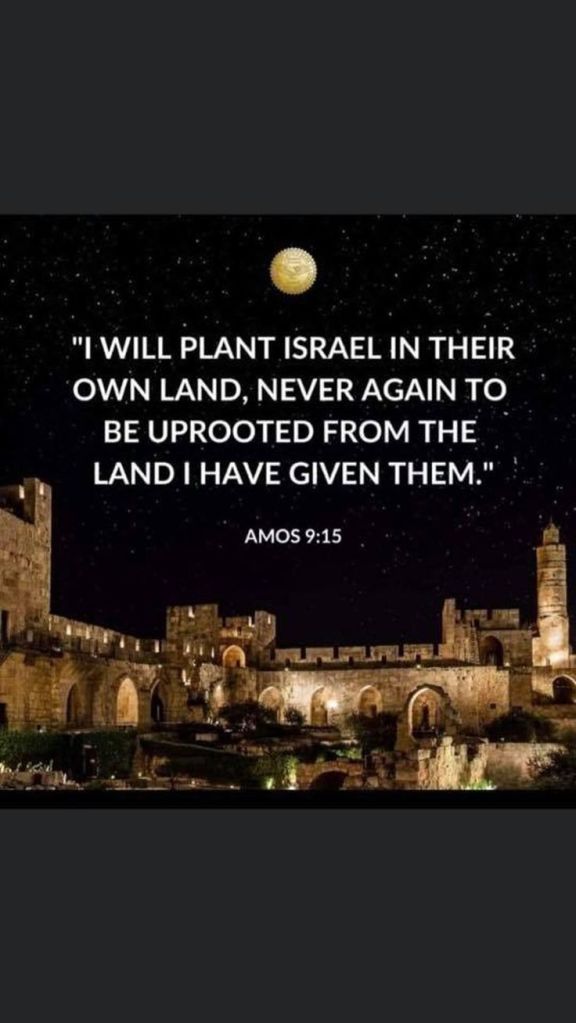






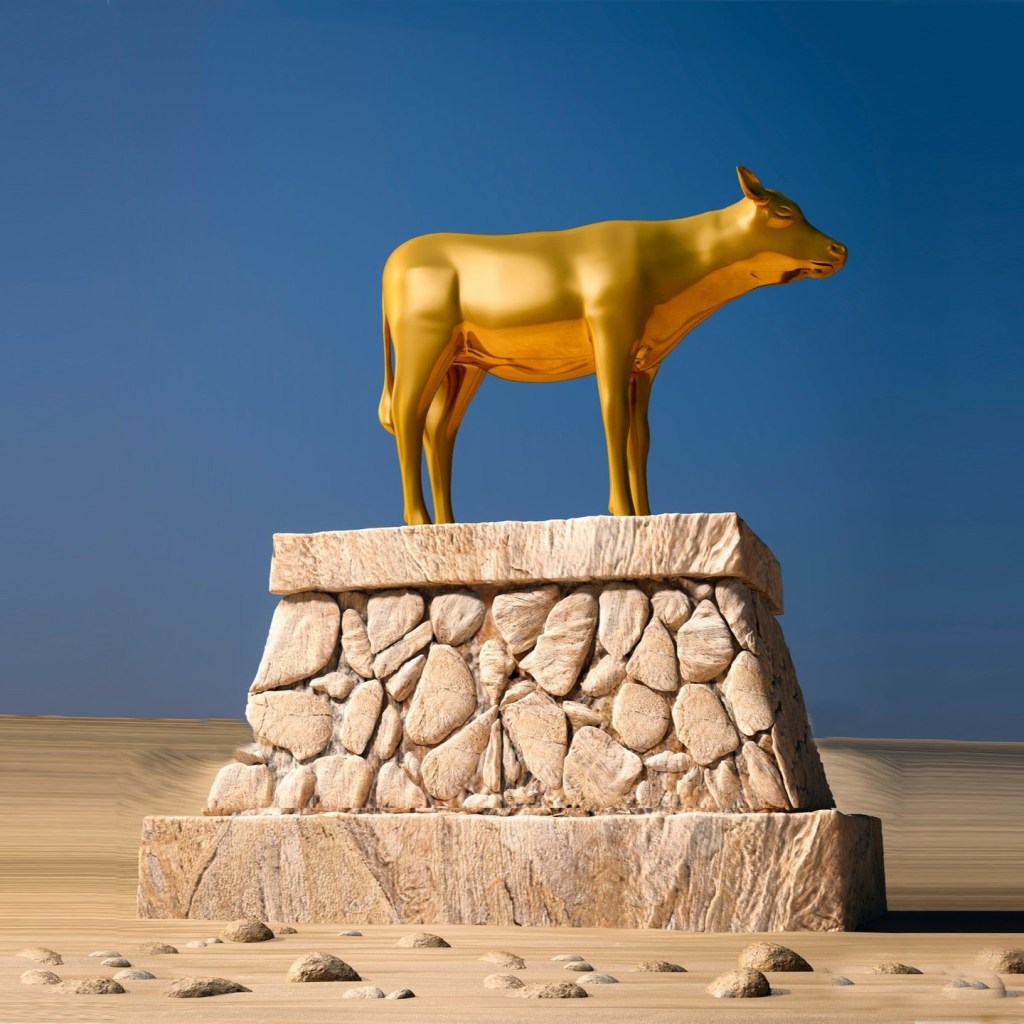
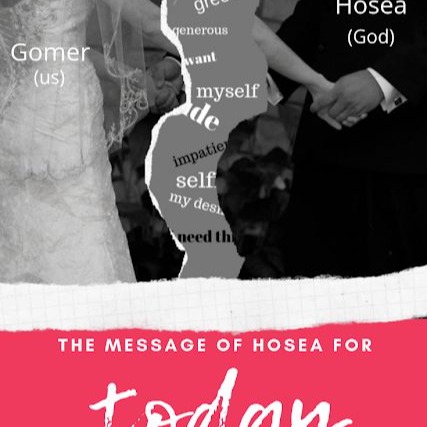
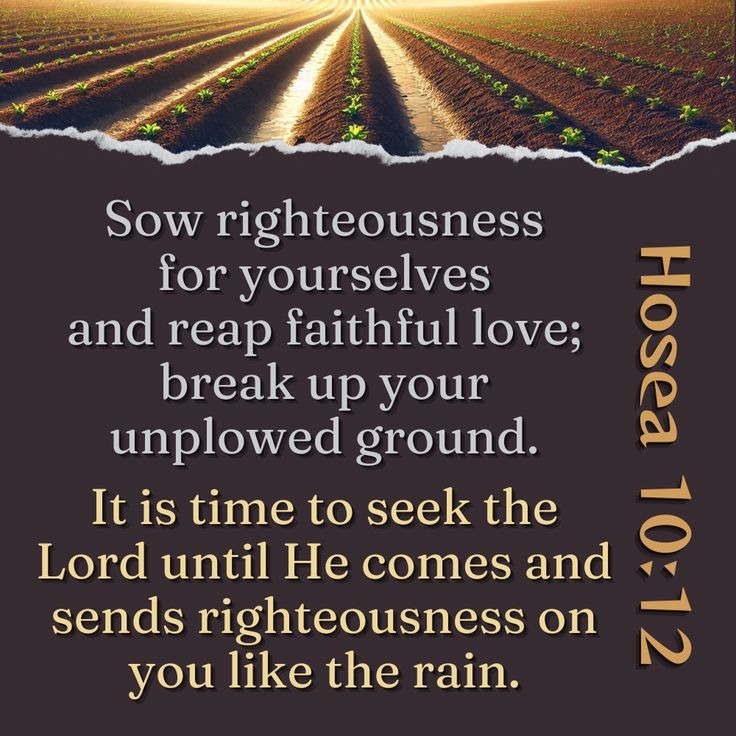










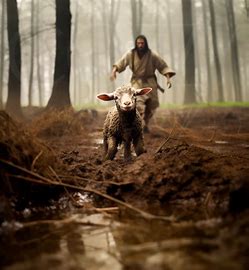



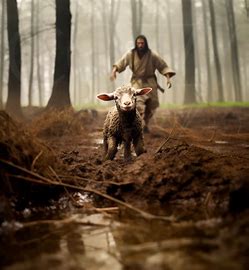







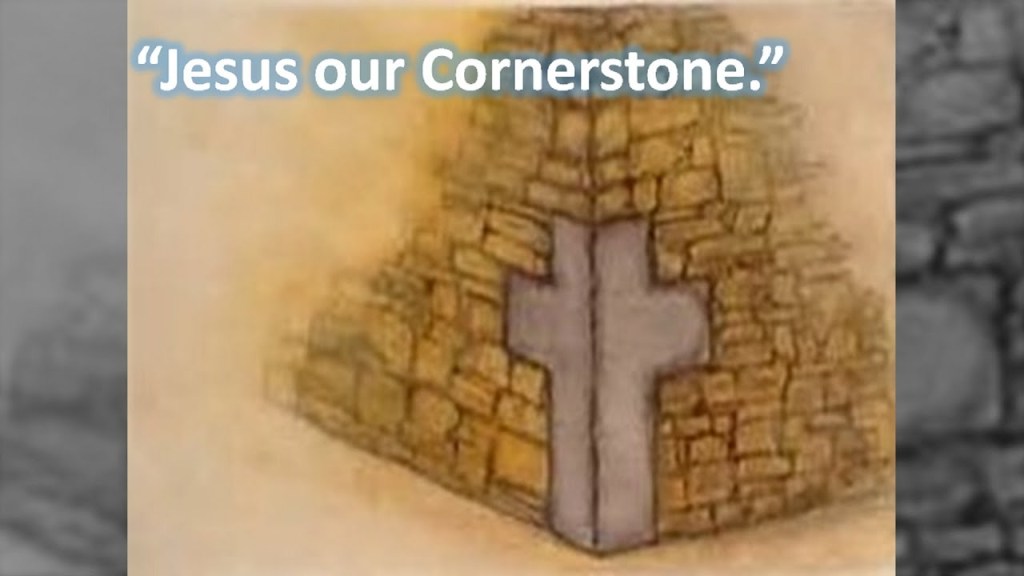
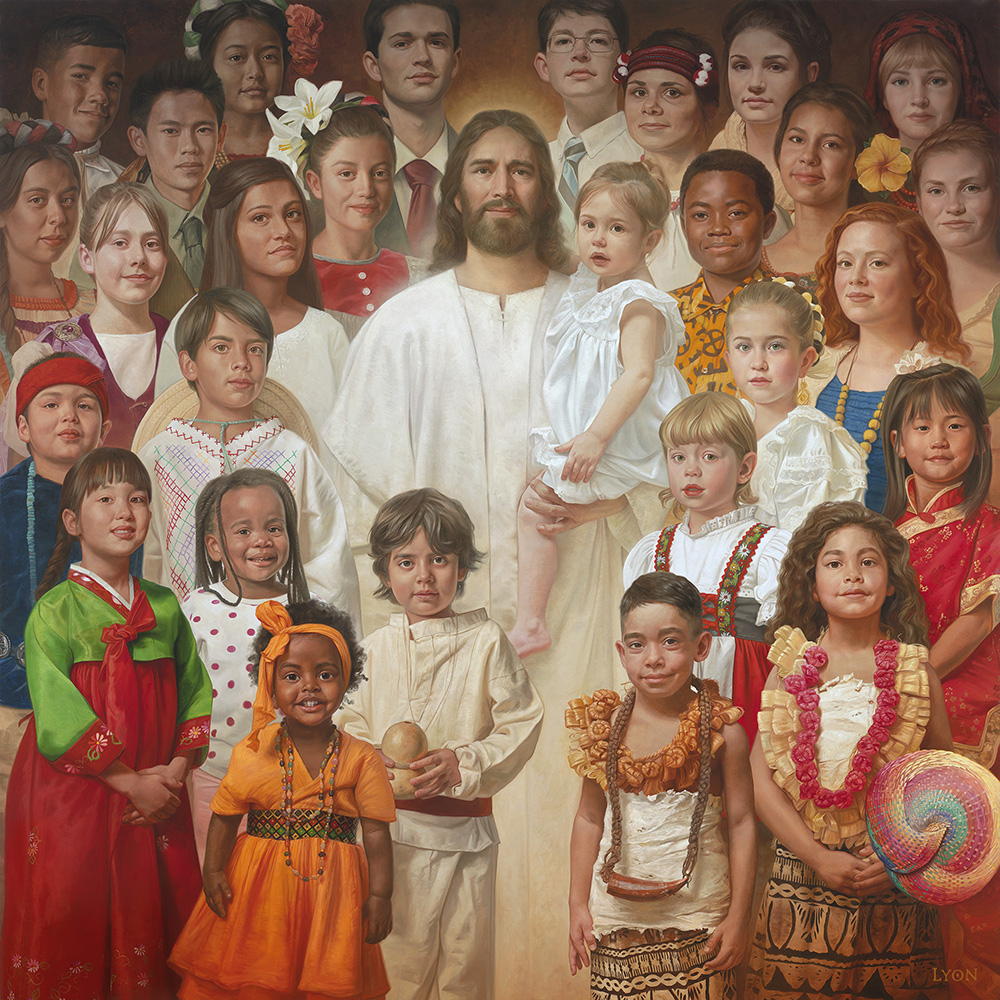



 2 Lives, 1 Flesh
Leave a comment